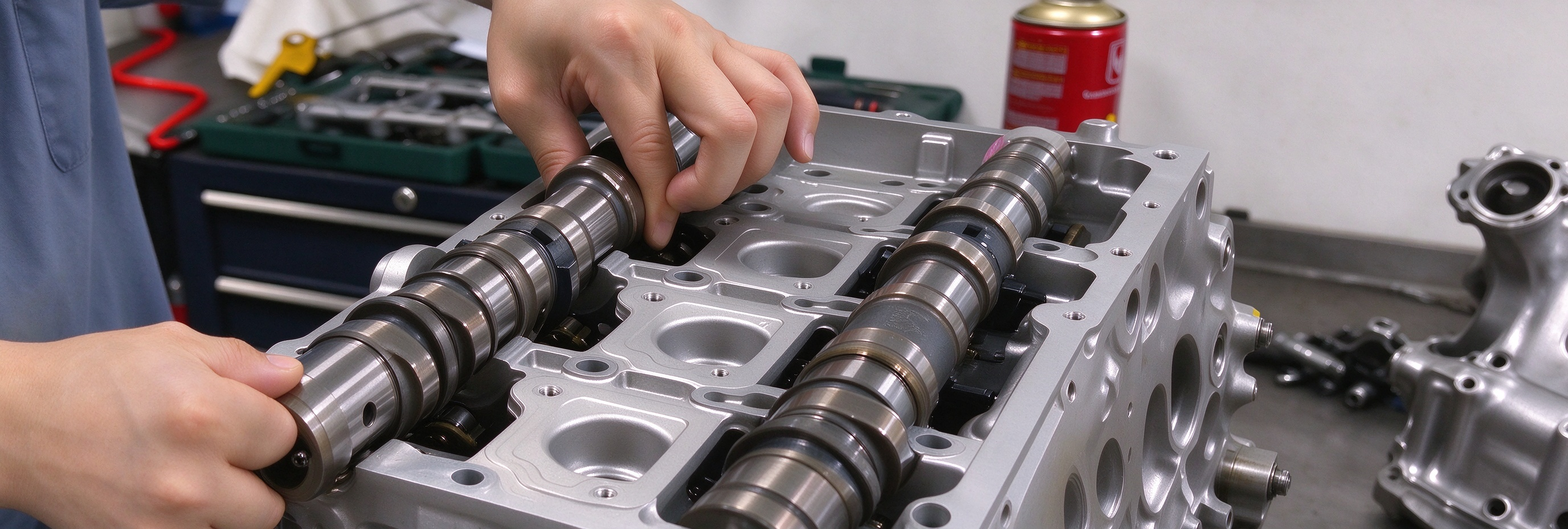
G4FD Engine Complete Guide: Specs, Reliability, Common Issues & Vehicle Fitment
The G4FD engine is a widely used Hyundai-Kia gasoline engine found in models such as…
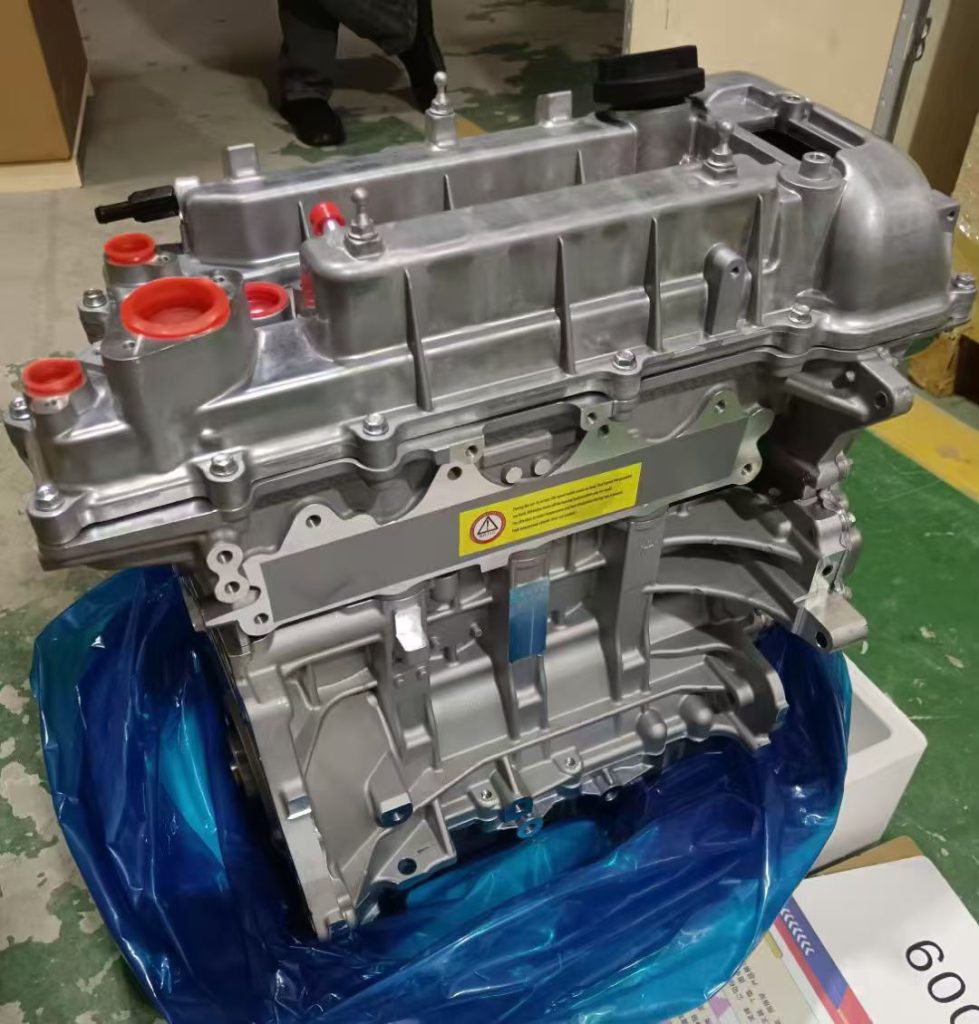
The G4FD engine is a common 1.6L GDI gasoline engine built for Hyundai and Kia vehicles. It is fitted to models such as the Hyundai Elantra/Avante, i30, Veloster, ix35/Tucson, and the Kia Ceed, Soul and Sportage. Power output usually ranges from 130 to 140 hp, depending on market and factory calibration.
As these engines accumulate miles, repair shops and used car buyers need to source the right replacement engine, and be aware of its typical issues. These include intake valve carbon buildup, high-pressure injector failure, timing chain wear and oil consumption. This guide covers the G4FD’s specifications, fitment list, reliability record, known faults and what you need to know before buying a replacement engine.
What Is the G4FD Engine?
The G4FD engine is a widely used Hyundai-Kia gasoline GDI engine found in models such as the Hyundai Elantra, i30, Veloster and Tucson / ix35, plus the Kia Ceed, Soul and Sportage. Depending on the vehicle and market, output is generally around 130–140 hp.
As these engines age, buyers and repair professionals increasingly need to identify the correct replacement unit and understand common issues such as intake valve carbon buildup, high-pressure fuel system faults, timing chain wear and oil consumption. This guide covers the G4FD’s specifications, applications, reliability, common problems and replacement considerations.
The G4FD belongs to the Gamma II engine family. It is a 1.6-litre naturally aspirated four-cylinder motor with gasoline direct injection and dual CVVT. Unlike MPI engines such as the G4KD, fuel is sprayed directly inside the combustion chamber rather than into the intake manifold. This improves fuel economy and throttle response but creates its own set of service requirements.
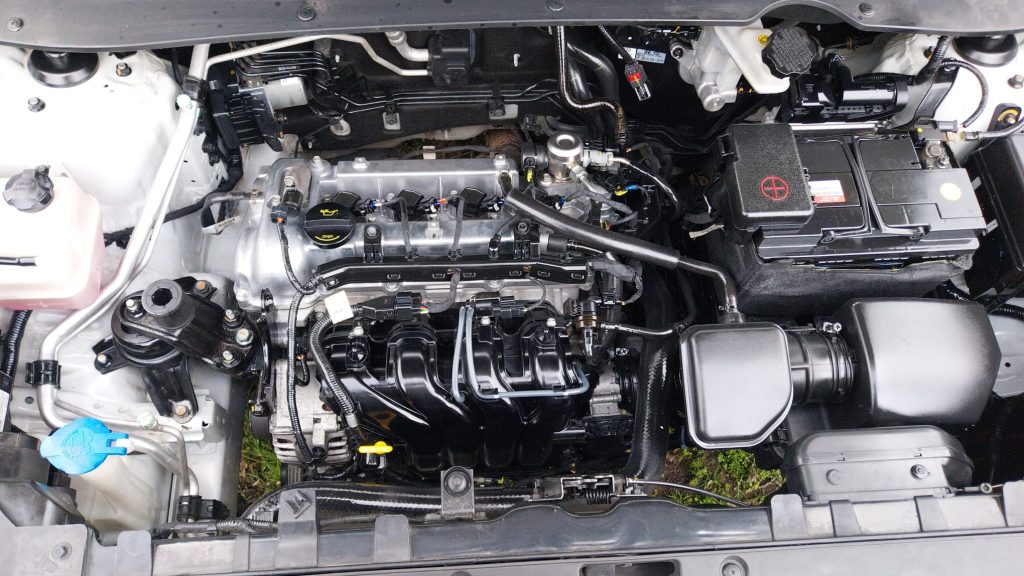
G4FD Engine Specifications
| Specification | G4FD |
|---|---|
| Engine family | Hyundai/Kia Gamma II |
| Displacement | 1,591 cc / 1.6L |
| Configuration | Inline-four |
| Fuel system | GDI direct injection |
| Aspiration | Naturally aspirated |
| Bore × stroke | 77 × 85.4 mm |
| Compression ratio | 11.0:1 |
| Valvetrain | DOHC, 16 valves |
| Variable valve timing | Dual CVVT |
| Timing drive | Timing chain |
| Cylinder block | Aluminum |
| Cylinder head | Aluminum |
| Typical power | Approx. 133–138 hp @ 6300 rpm |
| Typical torque | Approx. 164–167 Nm @ 4850 rpm |
Exact horsepower and torque vary by vehicle and market calibration, which is why different G4KD applications may show slightly different figures.
What Cars Use the G4FD Engine?
The G4FD is Hyundai and Kia’s 1.6L naturally aspirated GDI engine from the Gamma II family. It was fitted to a wide range of Hyundai and Kia passenger cars and compact SUVs. Common applications include:
- Hyundai i30 – available on selected 1.6 GDI petrol trims
- Hyundai i40 – fitted to certain 1.6L naturally aspirated GDI versions
- Hyundai ix35 / Tucson (LM / TL) – equipped on select 1.6 GDI variants
- Hyundai Veloster – used for its 1.6L direct-injection petrol models
- Hyundai Elantra / Avante (MD) – offered in selected 1.6 GDI configurations
- Kia Ceed / ProCeed – fitted to many 1.6 GDI petrol versions
- Kia Sportage – found in selected 1.6L naturally aspirated GDI trims
- Kia Soul – available with the G4FD across multiple generations
- Kia Carens (RP) – featured in select 1.6 GDI variants
Engine fitment differs greatly by production year, sales region and factory specification. The same model may come with different engine options depending on the market.
For example, a Kia Sportage labelled simply as “1.6L” does not guarantee it uses the G4FD. The same applies to the Tucson, i30 and Elantra.
If you plan to source a replacement engine, confirm these details beforehand to avoid mismatches:
- Engine code
- Vehicle VIN
- Exact model and production year
- Original sales market
- Transmission and drivetrain type
This check is especially important when buying engines internationally. Two G4FD units that look identical externally may have different sensors, accessory setups or mounting brackets.
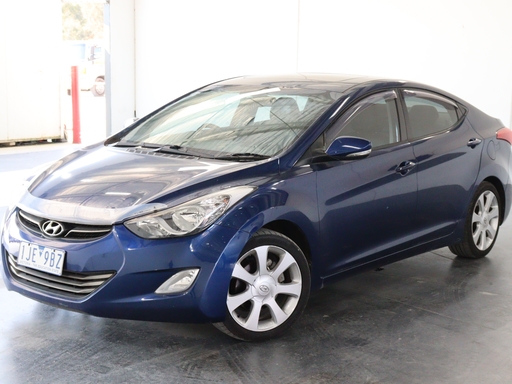
Is the G4FD Engine Reliable?
The G4FD has a mixed reliability reputation.
It is a 1.6L 4-cylinder GDI direct-injection petrol engine with good power output and fuel efficiency. Well-maintained units can run smoothly for many miles. However, as a GDI engine, it is prone to intake valve carbon buildup. Poor fuel quality or delayed maintenance can lead to rough idle, hesitation on acceleration, power loss, increased fuel consumption and misfires. Some high-mileage engines may also suffer from oil consumption and timing chain wear.
Maintenance history is especially important. Use quality fuel, stick to regular oil changes, and clean carbon deposits on intake valves periodically. Early attention to rough idle or unusual knocking will greatly extend engine life.
For this reason, mileage alone is not the best indicator of condition. A higher-mileage G4FD with a complete service record may perform better than a lower-mileage engine with unknown maintenance.
When checking a replacement engine, inspect for rough idle, oil burning, compression balance and abnormal knocking sounds.
Overall, the G4FD can be a solid engine, but condition and maintenance history matter more than mileage alone.
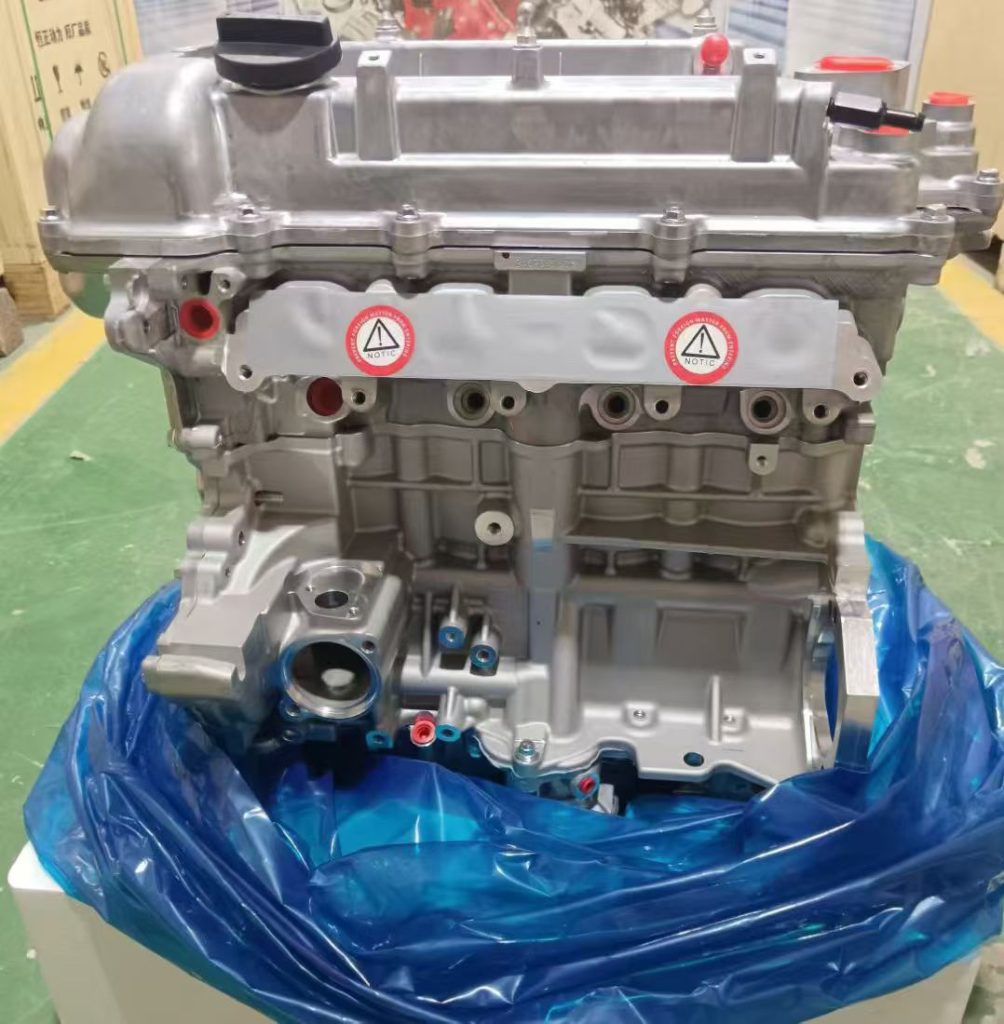
Common G4FD Engine Problems
1. Intake Valve Carbon Build-up
Intake carbon is the most well-known issue on the G4FD GDI engine. Since fuel is injected directly into the cylinder, there is no gasoline washing over the intake valves to clean them. Over time, carbon deposits build up on the valve surfaces.
Common signs may include:
- rough idle;
- sluggish acceleration;
- reduced engine power;
- misfires;
- higher fuel consumption.
Carbon cleaning (walnut blasting is popular) can restore performance.
2. Timing Chain Wear & Rattle
The timing chain and tensioner on the G4FD can wear over high mileage. Stretched chains or weak tensioners create a rattling noise, especially on cold startup.
If ignored, the chain may skip timing, which can lead to serious internal engine damage. Early noise checks are critical.
3. Oil Leaks & Moderate Oil Consumption
Some G4FD units develop oil leaks from the valve cover gasket, oil seals or oil cooler seals. In aged, high-mileage engines, worn piston rings can also cause oil burning.
Low oil levels speed up wear of the timing system and bearings, so frequent oil level checks are essential.
G4FD vs G4FC: What’s the Difference?
Both G4FD and G4FC belong to Hyundai and Kia’s well-known Gamma engine lineup, sharing the same 1.6L displacement and identical bore-and-stroke dimensions. While they may look similar from the outside, these two naturally aspirated four-cylinder engines are built on different generations of the Gamma platform and use completely different fuel delivery setups.
| Specification | G4FD | G4FC |
|---|---|---|
| Engine family | Hyundai/Kia Gamma II | Hyundai/Kia Gamma (Gen 1) |
| Displacement | 1,591 cc / 1.6L | 1,591 cc / 1.6L |
| Configuration | Inline-four | Inline-four |
| Fuel system | GDI direct injection | MPI multi-port injection |
| Aspiration | Naturally aspirated | Naturally aspirated |
| Bore × stroke | 77 × 85.4 mm | 77 × 85.4 mm |
| Compression ratio | 11.0:1 | 10.5:1 |
| Valvetrain | DOHC, 16 valves | DOHC, 16 valves |
| Variable valve timing | Dual CVVT | Single CVVT (intake only) |
| Timing drive | Timing chain | Timing chain |
| Cylinder block | Aluminum | Aluminum |
| Cylinder head | Aluminum | Aluminum |
| Typical power | Approx. 133–138 hp @ 6300 rpm | Approx. 120–128 hp @ 6300 rpm |
| Typical torque | Approx. 164–167 Nm @ 4850 rpm | Approx. 154–158 Nm @ 4200 rpm |
G4FC is the original first-generation Gamma 1.6L MPI engine, relying on traditional multi-point port injection. It was engineered for simplicity, reliability and low maintenance costs. Its power output is more modest, and it was fitted to many older compact Hyundai and Kia models.
G4FD arrived later as the upgraded Gamma II variant, equipped with gasoline direct injection (GDI). This updated fuel system unlocks stronger horsepower and torque, alongside improved combustion efficiency. It delivers sharper throttle response and better high-load performance compared to the older MPI version, making it the choice for newer model applications.
Even though the basic engine block is dimensionally the same, these engines cannot be swapped as direct replacements. Major components including the cylinder head, fuel injectors, intake manifold, ECU calibration and wiring harness are not interchangeable. Many peripheral accessories and mounting points also differ between the two variants.
When sourcing replacement engines or individual spare parts, visual appearance or engine family classification alone is never enough to confirm compatibility. Always cross-check the engine code, vehicle VIN and the exact model specification before ordering.

What to Check When Sourcing G4FD Replacement Engines
For distributors, importers and repair networks, sourcing G4FD 1.6L Gamma GDi replacement engines requires far more than just matching the engine code. Compatibility, assembly configuration and consistent build quality are critical — especially for bulk orders destined for Hyundai and Kia repair fleets. The G4FD is widely fitted across multiple models, market variants and production years, so mismatched specifications are a frequent source of costly fitment failures.
Before confirming your order, verify the following items:
Engine Code, Fuel Type and Vehicle Application
Confirm the unit you are buying is genuinely the G4FD 1.6L GDi direct-injection engine. Generic descriptions such as “1.6 Gamma” or “Sportage / Tucson 1.6” are not sufficient. Hyundai and Kia used multiple 1.6L Gamma engine families (G4FC, G4FD, G4FG, G4LA) with different injection systems and internals across markets.
Share these details with your supplier:
- Exact engine code G4FD
- Full VIN (where available)
- Vehicle make, model, trim and production year
- Target sales/registration market (EU, ROW etc.)
Long Block, Bare Block or Complete Drop-In Engine
Clarify exactly what components are included in the assembly.
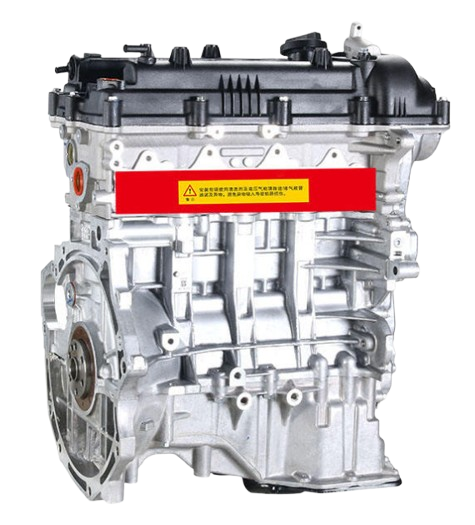
A G4FD long block typically comes assembled with cylinder head, valves, camshafts, pistons, crankshaft and timing chain set, without most external bolt-on parts.
A “complete engine” definition is not standardised across suppliers. It may or may not include intake manifold, fuel rail, ignition coils, wiring harness sections or ancillary fittings. Always request a full itemised component list before purchase to avoid surprise missing parts.
External Ancillary Components
Confirm which external parts are supplied with the engine and which must be transferred over from the customer’s original unit:
- Exhaust / intake manifold
- GDi fuel rail and injectors
- Sensors (crankshaft, camshaft, temperature, MAP)
- Alternator, starter motor, AC compressor bracket
- Engine mounts, flywheel / flexplate and clutch hardware
Many suppliers sell long blocks without these ancillaries; failing to confirm ahead leads to installation delays and extra sourcing work for repair shops.
Quality Control, Testing and After‑Sales Terms
For bulk procurement, ask your supplier for clear documentation covering:
- Pre‑shipment inspection and running/testing procedures (compression test, oil pressure check, leak testing)
- Build spec consistency across batches (timing chain, piston rings, bearing grades)
- Export-grade packaging, bunging and corrosion protection for sea freight
- Formal warranty coverage, exclusion terms and the claims process for defects
Final Tip
Lock in the full G4FD specification and component manifest before shipment. This simple step drastically reduces compatibility rejections, workshop downtime, return freight charges and after-sales disputes for your distribution or repair business.
FAQ – G4FD Engine
Is the G4FD engine reliable?
The G4FD 1.6L Gamma GDI engine has a generally acceptable reliability profile with proper maintenance. Regular oil changes using the correct specification oil are critical for this direct-injection unit. High-mileage units may develop carbon buildup on intake valves, injector issues or timing chain wear. Condition, service history and compression test results are key factors when purchasing a replacement or used G4FD engine.
What are the most common G4FD engine problems?
Typical known issues for the G4FD include intake valve carbon deposits (common for GDI engines), fuel injector clogging, timing chain / tensioner wear, oil leaks around gaskets and seals, and occasional rough idle or misfires. Not every engine will suffer these faults, but these points should be prioritised during inspection before purchase.
What cars use the G4FD engine?
The G4FD 1.6 Gamma GDI is fitted to a range of Hyundai and Kia models, including Hyundai Tucson / ix35, i30, Veloster, and Kia Sportage, Ceed, Pro Ceed, Soul, Optima. Fitment differs greatly by production year, region and emission standard. Always confirm via engine code or vehicle VIN before ordering a replacement engine.
Is the G4FD MPI or GDI?
The G4FD is a Gasoline Direct Injection (GDI) engine, not multi-point injection (MPI). This is a major difference from older Gamma MPI engines such as G4FC. Its direct injection design brings better fuel efficiency, but also the well-known risk of intake carbon build-up.
Does the G4FD use a timing belt or timing chain?
The G4FD uses a timing chain, not a rubber timing belt. It is engineered for extended service life, yet the chain, guides and tensioner can wear on high-mileage engines. A rattling noise on cold start or timing-related fault codes indicate that the timing assembly needs inspection.
Conclusion
The G4FD is a 1.6-liter Gamma GDI engine widely fitted to Hyundai and Kia vehicles.
Although it delivers good fuel efficiency and performance, intake valve carbon buildup, injector fouling, oil seepage and timing-chain wear are key points to inspect as these engines accumulate mileage.
When sourcing replacement G4FD engines, proper identification is equally critical to engine quality. Always verify the engine code, VIN, vehicle fitment and full component configuration before placing your order.
About Us
Morwio Auto is a China-based supplier of replacement engines and engine parts for distributors, importers, wholesalers and automotive repair businesses worldwide. Our product range includes complete engines, long blocks and major engine components for a wide range of vehicle applications.
If you are sourcing G4FD engines or related engine parts in bulk, contact us with your required quantity and application details. Our team can help confirm the correct configuration and provide a quotation for your market.